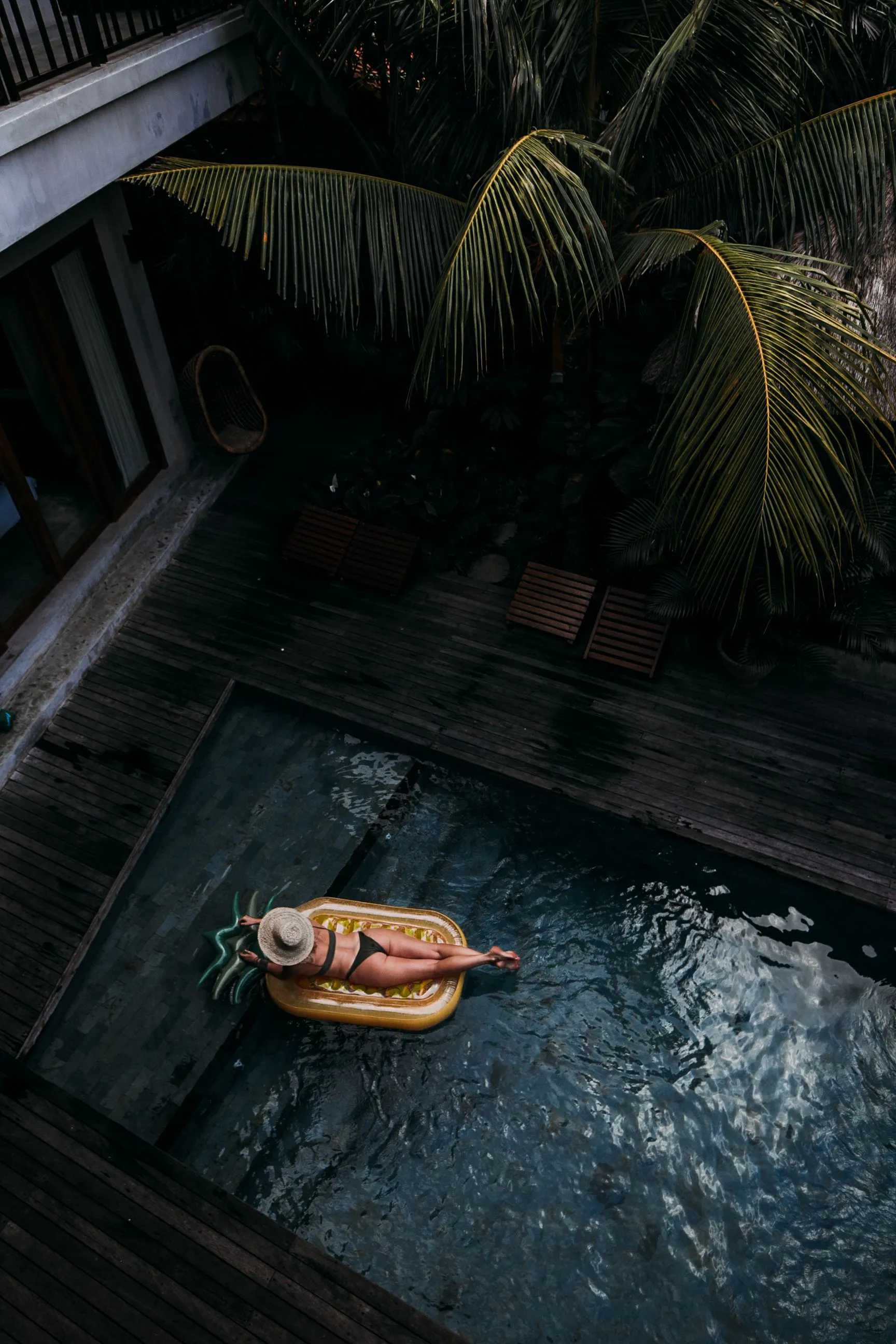
Getting Your Pool Summer-Ready
Most Auckland pools sit relatively dormant from May through August. Even if you've been running the filter through winter, spring is the moment to do a proper reset before the swimming season begins. Do it in September and you're ready for Labour Weekend. Leave it until November and you're scrambling.
1 Start With a Full Inspection
Walk around the pool before touching anything. You're looking for problems that are much easier to deal with now — before the rush of summer — than mid-January when you want to swim.
Work through this checklist as you go:
- Algae growth — green walls, slippery tiles, or a greenish tinge to the water
- Debris build-up on the floor and in the skimmer baskets
- Cracked fittings or pipe connections, particularly around the pump and filter
- Condition of the pool cleaner — check the hose for cracks and the body for wear
- Equipment — does the pump sound right when you turn it on? Any visible leaking at the fittings?
Make a list as you go. Small problems spotted now cost almost nothing to fix. The same problems discovered on a hot day in January can mean a pool that's out of action for days.
2 Clean First, Then Chemicalise
This order matters more than most people realise. Vacuum the floor first — set to waste if there's visible algae sitting on the bottom, so the debris goes straight to drain rather than back through your filter. Then skim the surface thoroughly and brush the walls and waterline. Remove as much organic matter as possible before you touch the chemicals.
Why? Because adding chlorine to a dirty pool is like trying to sanitise a muddy swimming hole. The chlorine gets consumed fighting the organic load — leaves, sunscreen residue, algae, bird droppings — before it ever gets to do its actual job of keeping the water safe. Clean first, chemicalise second. You'll use noticeably less product and get a far better result.
3 Test the Water
Once the pool is clean, get a full water test before you add anything. Either use a home test kit (get a proper reagent kit rather than just test strips — reagents are significantly more accurate and well worth the extra few dollars) or take a 500ml water sample to your local pool shop. Most pool shops will test it for free.
What you're aiming for:
- pH: 7.2–7.6
- Free chlorine: 1–3 ppm
- Total alkalinity: 80–120 ppm
- Calcium hardness: 200–400 ppm
- Salt: 3,000–4,000 ppm (saltwater pools only)
Write the numbers down. You'll need them when you start adding chemicals, and they give you a useful baseline to compare against later in the season.
4 Adjust and Balance — In the Right Order
Always adjust alkalinity first, then pH, then chlorine. This sequence is important and often skipped, which is why a lot of DIY spring opens end up taking much longer than they should.
Here's the reasoning: alkalinity acts as a buffer for pH. If your alkalinity is off, your pH will be unstable and keep drifting back even after you've corrected it — you'll be chasing it around in circles. Get alkalinity right first (use sodium bicarbonate to raise it, dry acid to lower it). Then adjust pH using pH Up or pH Down. Then and only then add your chlorine.
Add one chemical at a time with the pump running, and wait at least 30 minutes between additions before you retest. Patience here saves you a lot of product — and a lot of frustration.
5 Shock Treatment
Spring is the right time for a shock dose, even if the water looks reasonably clear. A winter of lower chlorine levels — or periods where the pool wasn't running at all — can allow chloramine compounds and organic matter to build up in the water. This is called chlorine demand. A shock treatment clears that demand and gives you a clean, reliable baseline for summer.
Use liquid chlorine or granular calcium hypochlorite. If you're using granular shock, dissolve it in a bucket of water before adding it to the pool — never add dry granules directly, as they can bleach pool surfaces. Pour the solution evenly around the edges of the pool while the pump is running. Do it in the evening to reduce UV degradation; sunlight can burn off a significant portion of your chlorine before it has a chance to work. Run the filter for at least 8 hours after shocking.
6 Run the Filter
For the first week after opening, run the filter 8–12 hours per day. This keeps water circulating, helps distribute chemicals evenly through the pool, and gives the filter media time to catch suspended particles that were stirred up during cleaning. Don't cut this short — circulation is what makes everything else work.
Check the filter pressure gauge daily. If pressure rises noticeably, backwash (sand or DE filter) or rinse your cartridge — a clogged filter won't do its job properly and puts unnecessary load on the pump. Once the water is clear and balanced, you can dial back to 6–8 hours per day for normal maintenance. If you have a variable speed pump, run it at a higher speed during this first week — it pays off in water clarity.
7 Service Your Equipment
Don't skip this step. Equipment problems have a way of appearing on the hottest day of summer when you least want to deal with them — and least want the pool to be out of action. Spring is the perfect time to go through everything methodically.
- Pump: Listen for unusual noise when running. Check all fittings for leaks — even a slow drip can become a bigger problem under summer load.
- Filter: Backwash if you have a sand or DE filter. If you have a cartridge filter, remove the cartridge, rinse it thoroughly, and inspect it carefully for tears or splits — a torn cartridge lets fine particles pass straight through into the pool.
- Salt cell: Check for calcium scale buildup — it looks like a whitish crust on the cell blades. Even moderate scale significantly reduces chlorine output. Descale with a diluted acid solution if needed, following the manufacturer's instructions.
- Automatic cleaner: Check the hose for cracks (they cause the cleaner to lose suction), and inspect wheels and brushes for wear. Replacement parts are cheap; a cleaner that barely moves isn't cleaning anything.
If anything looks worn, aged, or questionable, deal with it now while you have time — not mid-summer when you're competing with every other pool owner in Auckland for a technician's availability.
Opening your pool for summer doesn't have to be stressful. Pool Pals handles the whole thing — full clean, water test, chemical balance, equipment check. You just dive in. Call 09 570 4440 or email theteam@poolpals.co.nz.
Want us to handle your spring opening?
Pool Pals takes care of the whole thing — from first clean to full chemical balance and equipment check. Book early — September fills up fast.
Book a spring pool opening service